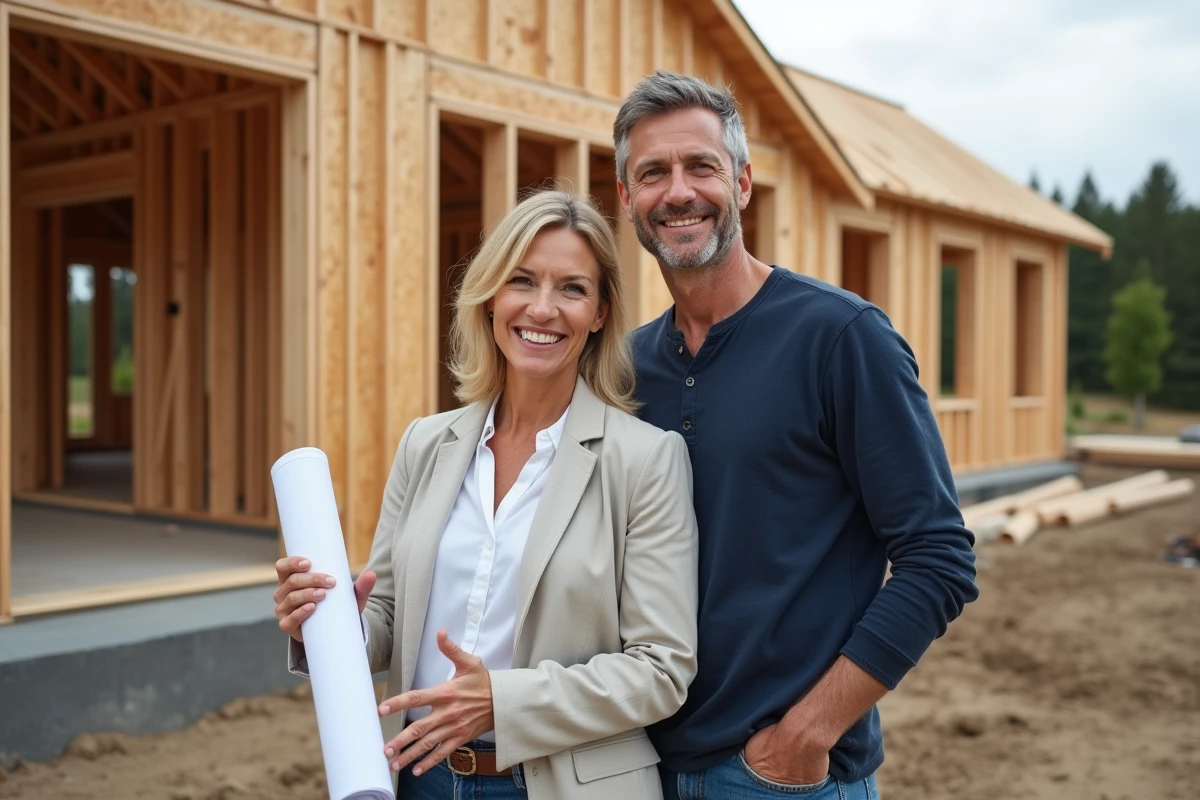
Custom construction is not just about drawing a free plan on a blank plot of land. The regulatory framework imposed by RE2020, the rise of bio-based materials, and the advent of off-site processes redistribute the technical parameters of an individual house project. Here, we decode the axes that truly structure a high-performance custom design.
Carbon Calculation and RE2020: The Real Specifications for a Custom House
Every new construction project is now governed by the IC construction and IC energy indicators of RE2020. These carbon thresholds condition the choice of materials long before aesthetic considerations come into play. A custom builder who does not quantify the carbon impact of each batch (foundations, structure, insulation, joinery) from the preliminary project stage takes a direct regulatory risk.
We recommend systematically requesting a life cycle analysis (LCA) from the design phase. This study quantifies the greenhouse gas emissions of the building over several decades, incorporating the manufacturing of materials, transportation, implementation, and end-of-life. Without an LCA, the term “custom” remains a commercial argument without a technical foundation.
The level of requirement of RE2020 is strengthened in stages. Projects submitted today must anticipate future thresholds, which directs the design towards low carbon footprint solutions right from the structural work. To learn more about Maisons Euro France, their approach precisely integrates this regulatory anticipation logic into every construction project.

Wood Frame, Hemp Concrete, Straw: Choosing Between Bio-Based Materials
Bio-based custom construction does not form a homogeneous block. Each sector presents distinct structural, hygrothermal, and logistical characteristics that influence the project.
Wood Frame and Local Wood
The wood frame remains the most mature bio-based sector for custom individual houses. It allows for wide structural spans, off-site prefabrication, and a dry construction site that reduces timelines. The use of local wood (Douglas fir, spruce, poplar depending on the regions) enhances the carbon balance by limiting transportation.
Hemp Concrete and Plant Insulators
Hemp concrete serves both as infill and for hygrothermal regulation. When combined with a load-bearing frame (wood or metal), it offers remarkable summer comfort without air conditioning. Insulators made of cellulose wadding or plant fibers complement the envelope with acoustic performances often superior to traditional mineral insulators.
Straw Construction
Documented by the French Straw Construction Network (RFCP), this technique uses straw bales as infill for the frame. The material boasts a very low carbon balance and high thermal resistance for a controlled wall thickness. Custom design allows for adapting the boxes to the architectural constraints of the site.
The choice between these sectors depends on specific criteria:
- The local availability of the material, which conditions transportation costs and the supply timeline for the site
- The constraints of the local urban plan (PLU) and risk prevention plan (flood-prone, seismic areas), which may impose specific structural solutions
- The desired level of thermal inertia, which varies according to the orientation of the site and the regional climate
Off-Site Construction: 2D Panels and 3D Modules for Customization
Off-site prefabrication transforms custom construction without sacrificing personalization. Two approaches coexist and respond to different project logics.
2D prefabricated panels (walls, floors, roof elements) are assembled on-site in a few days. This method significantly reduces the duration of the construction site and limits weather-related uncertainties. The design remains completely free: each panel is manufactured to the exact dimensions of the project.
3D volumetric modules go further. Complete units (bathroom, kitchen, bedrooms) are produced in the factory, equipped with their networks (plumbing, electricity), then transported and assembled on the slab. This approach requires very advanced design work beforehand, as any modification after production incurs significant additional costs.
We observe that combining 2D panels and 3D modules on the same project optimizes the quality-cost ratio. Technical spaces (sanitary, laundry) benefit from being treated as 3D modules, while living areas remain as 2D panels to maintain maximum architectural flexibility.
Land and Custom Design: Constraints Not Shown on the Plan
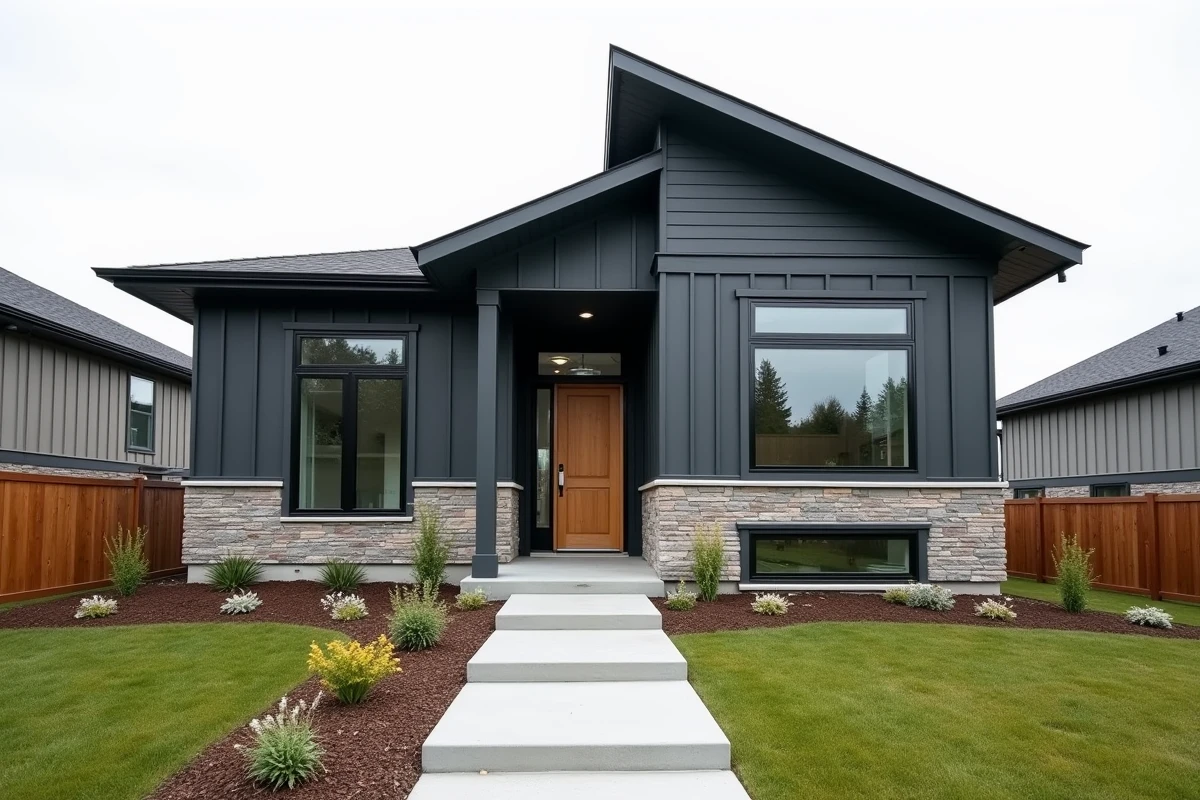
A custom construction project starts with the land, not the catalog. The G2 geotechnical study (mandatory since the ELAN law) determines the nature of the soil and the type of foundations. On clayey land, the additional cost of deep foundations or ventilated crawl spaces can represent a significant portion of the construction budget.
Topography directly influences the design. A sloped site allows for level variations that enrich the project, but each added half-level complicates networks and access. The site plan must integrate solar orientation, prevailing winds, and vegetation masks to make the most of bioclimatism without additional equipment costs.
Urban planning easements (setback, height, footprint, biotope coefficient) frame the volumetry long before the choice of materials. A competent custom builder conducts a cross-reading of the PLU, the land registry, and the soil study before proposing a first sketch. This preparatory work avoids costly modifications during construction.
- G2 geotechnical study: to be carried out before any construction contract is signed
- Analysis of the PLU and easements: conditions the volumetry, openings, and placement on the plot
- Precise topographical survey: essential on sloped land or in areas of clay shrink-swell
The quality of a custom house project is measured by the rigor of these preliminary steps. An attractive plan on screen is worthless without the technical validation of the land, soil, and regulatory framework. It is this articulation between free design and real constraints that distinguishes true customization from mere model personalization.