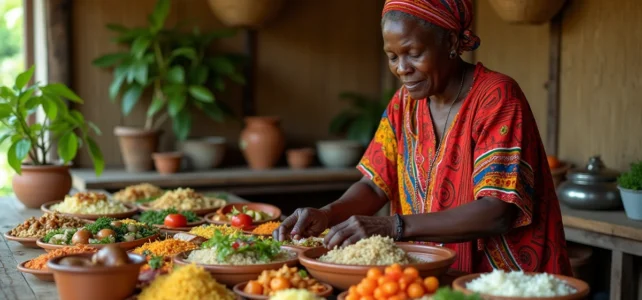
A raw figure: in several regions of Madagascar, pork almost never appears on the table. This absence is not a matter of chance, nor a uniform story. It stems from a tangle of traditions, beliefs, and centuries-old influences, making pork much more than an ordinary food, a symbol, sometimes a taboo, sometimes a simply ignored ingredient.
The fady, these ancestral taboos, permeate daily life on the island. Their diversity and strength explain why, from one end of Madagascar to the other, the place of pork varies dramatically. Here, it is banned; there, it is invited to some tables. But in vast territories, pork fades away, erased by ancient rules woven between spirituality, custom, and family history.
The place of pork in Malagasy history and culture: between legacies and taboos
The relationship with pork is not just reflected in dietary habits. It is a matter of identity, history, and fidelity to values passed down through generations. The fady, oral rules, outline an invisible structure that governs what is placed, or not, on the plate: thus, for many, avoiding pork is a matter of respect, almost a duty towards ancestors.
In the Highlands, among the Betsileo or the Merina, for example, distrust of pork is rooted in collective narratives. Often, it is identified as an impure animal and kept away during major events or rituals. No one imposes this rejection from the outside; it comes from within, from a long dialogue between custom and conscience, between the fear of breaking the balance and the desire to perpetuate a memory.
This relationship with pork shapes daily life, but also, more discreetly, a shared identity in certain regions. Even without knowing the origin of each rule, many follow the movement to preserve family cohesion and local unity. To explore the subject from all angles, the article why Malagasy people do not eat pork provides precise insights into the history and the plurality of taboos in force in Madagascar.
Why do certain Malagasy beliefs and religions reject pork?
The explanations go far beyond the sphere of faith. Looking back in time, the refusal of pork is rooted in an oral tradition well before the spread of major religions. However, the arrival of Islam and Christianity on the island has accentuated and then reinforced the avoidance of this meat.
On the eastern or northern coast, the presence of Muslim communities is notable. Dietary prohibitions from the Quran are practiced daily: there is no question of consuming pork, in accordance with halal principles. Some Christian groups and occasional Jewish influences also align with this, associating pork with the idea of impurity, even if these currents remain limited in number.
But the belief in harmful consequences stems as much from local legends as from sacred texts. Eating pork is sometimes associated with bad luck, illness, or disruptions in family order. More than a matter of faith, these dogmas are experienced as means of preserving balance, maintaining an invisible thread with the past. From generation to generation, the exclusion of pork is seen as a safeguard against the unforeseen, a guarantee of continuity and respect in Malagasy culture.
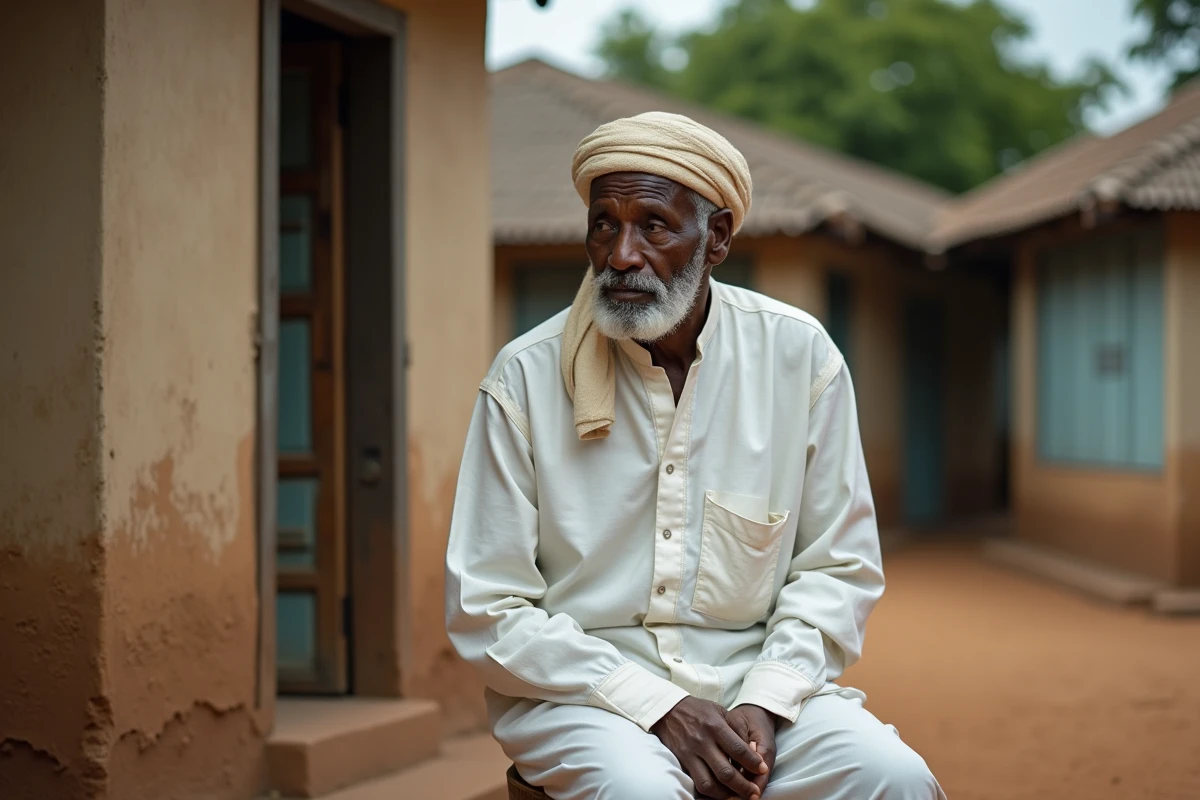
Culinary practices shaped by prohibitions: what are the consequences today?
The shadow of the fady and prohibitions has profoundly reshaped Malagasy cuisine. Rather than viewing the rejection of pork as an absence, it is a constant source of innovation and adaptation. Recipes evolve, but always with the resources of the territory and within the framework of collective values.
To understand what this concretely implies, one only needs to observe the composition of daily meals in many Malagasy families. Several meats naturally replace pork in common dishes:
- The zebu, so characteristic, used in stews, skewers, or broths, a true pillar of festive or family meals.
- Chicken, often prepared spicy or grilled, easily complemented with rice and local aromatic leaves.
- Freshwater fish, abundant along the rivers, holds a precious place in festive menus as well as in everyday dishes.
This organization of the menu is not neutral. The absence of pork reduces certain health risks but raises other issues. The intensive farming of zebu strains pastures, while fishing, which has become essential in some areas, must adapt to declining resources. Despite these challenges, creativity continues to express itself, sometimes incorporating imported products, while maintaining the flavor and coherence of the local culinary heritage.
In Madagascar, this choice is not limited to a tradition preserved by inertia. It leaves a lasting, dynamic, and vibrant imprint on the culinary landscape. Whether trends change tomorrow or not, the mark left by these taboos is embedded in every moment shared around the table, a testament to a subtle dialogue between memory and the desire for the future.