Women’s sports in France are no longer limited to competitions broadcast on television. Behind the growing media coverage, an ecosystem of specialized content is being structured to meet the concrete needs of female athletes: physiology, suitable equipment, access to facilities, and feedback from experiences. Finding these resources requires knowing where to look, and especially distinguishing pages that provide reliable information from those that recycle generalities.
Independent practice and supervised practice: a gap to understand
The National Sports Practices Barometer 2025 (INJEP/CRÉDOC) confirms that the regular practice of women is approaching that of men. The nuance lies in the framework: women remain a minority among licensed federations. In other words, they practice massively, but outside of clubs.
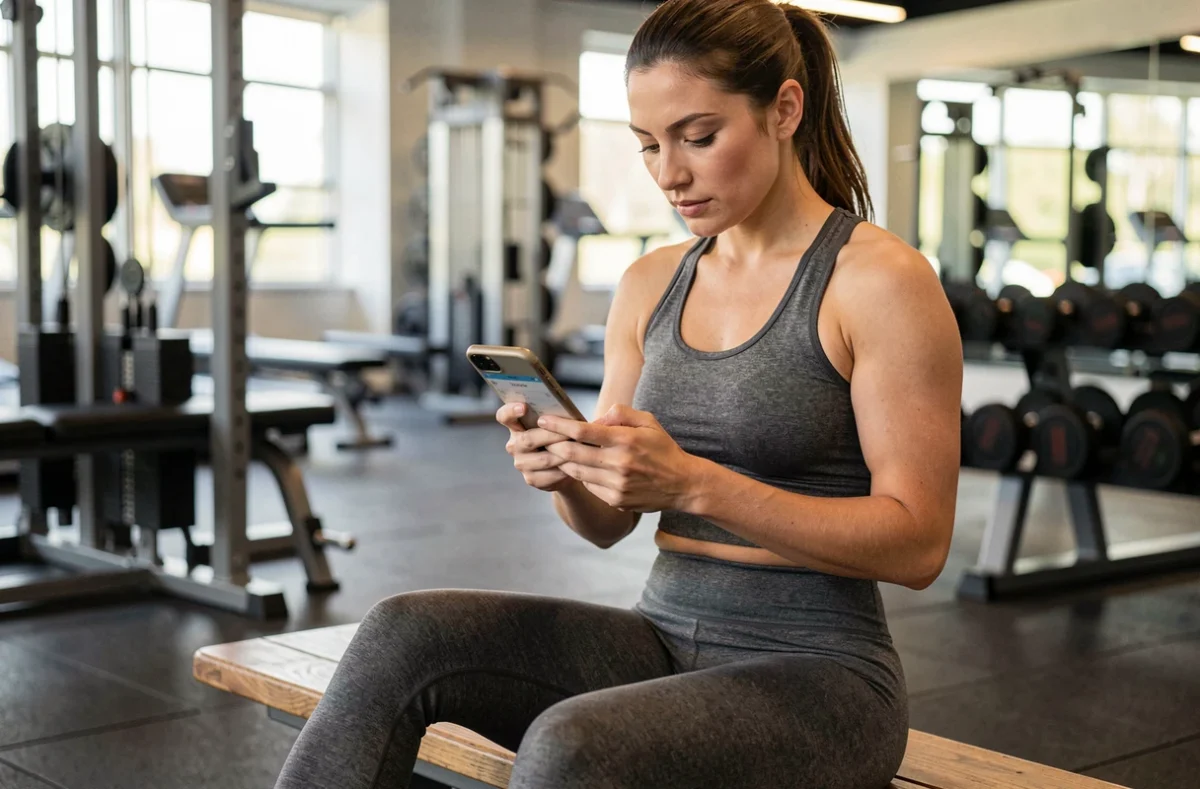
This gap has a direct consequence on the search for information. An independent athlete does not have access to a club’s network (coaches’ advice, recovery protocols, medical follow-up). She turns to websites, magazines, and online platforms.
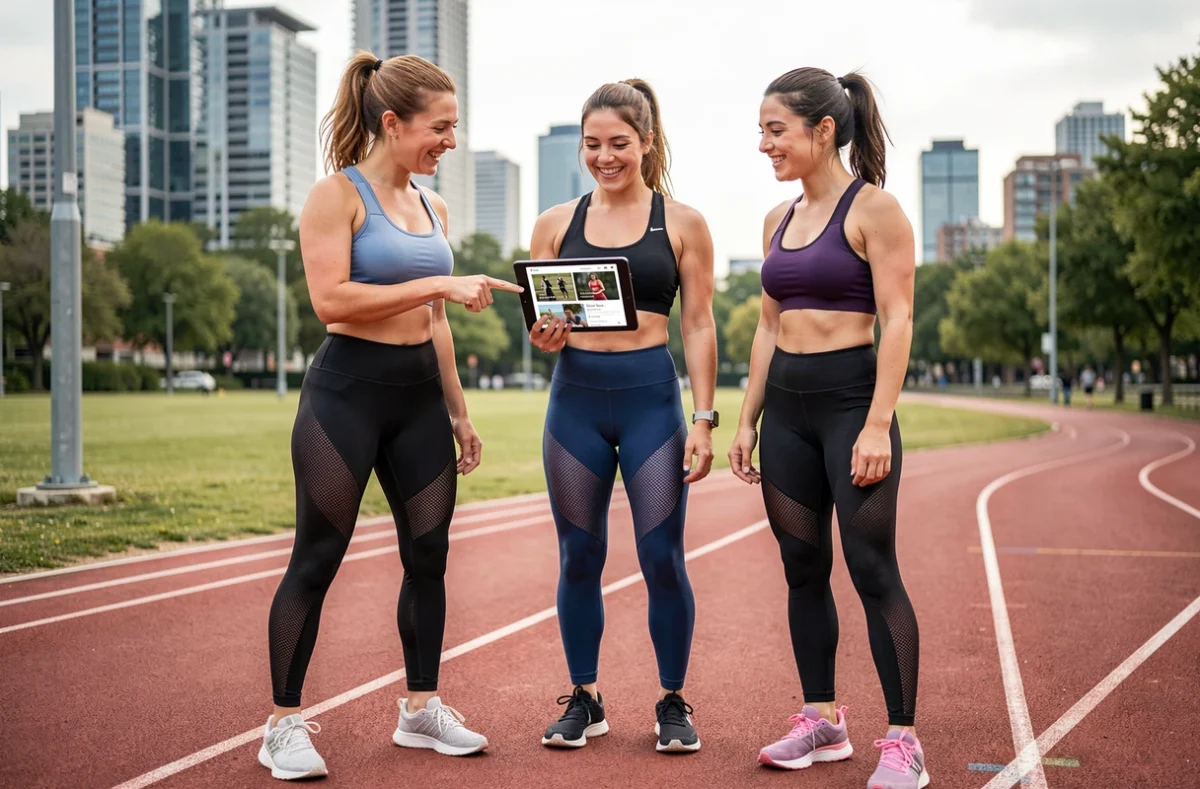
This is precisely where a directory of targeted content becomes useful. Being able to consult all the pages of Carnet de Sportive allows for quickly identifying the covered themes, whether it concerns nutrition, training programs, or testimonials from female athletes.
Women’s health and sports: the missing resources
The Ministry of Sports published three guides in January 2026 dedicated to the physiological specifics of women: “Puberty and Performance,” “Menstrual Cycle and Performance,” and “Perineum and Urinary Incontinence during Exercise.” These documents fill a real gap in supporting female athletes.
Why these topics matter for athletes
The menstrual cycle affects performance and preparation. An institutional guide that provides clear benchmarks on adapting training to hormonal phases represents a concrete tool, not a generic piece of advice found on a forum.
The puberty guide is aimed at both adolescents and their coaches and families. The hormonal, physical, and psychological changes during this period directly influence practice. Having validated benchmarks avoids approximations that lead some young girls to abandon sports.
The pages addressing the perineum and urinary incontinence during exercise tackle a long-taboo subject. This issue affects a significant proportion of female athletes, including high-level athletes, and remains under-documented in traditional sports media.
Women’s sports equipment: a market catching up
For a long time, women’s equipment was limited to “shrink it and pink it” versions of men’s products. New brands are addressing the needs overlooked by traditional players, according to market observations reported by the specialized press.
The useful pages in this area are those that compare products based on specific technical criteria:
- The support and comfort of sports bras according to the intensity of the activity (running, yoga, team sports)
- The ergonomics of shoes designed on feminine shapes, not just smaller sizes
- Fabrics adapted to variations in body temperature related to the hormonal cycle
A website specialized in women’s sports stands out from a generalist site by its ability to test and evaluate these products based on criteria that resonate with female athletes.
Barriers to access to sports facilities for women
Women’s access to practice venues is not limited to the number of time slots. Testimonies collected by the association Her Game Too highlight concrete elements: insufficient lighting, isolation of venues, and late returns hinder women’s attendance alone at stadiums.
These observations, reported in a LFP/Ipsos BVA survey from October 2025 cited by Le Monde, show that the problem goes beyond sports itself. It touches on mobility, perceived safety, and the design of sports spaces.
What this changes for online content
The pages that are truly useful to female athletes do not just list disciplines. They document access conditions, highlight clubs that offer female time slots, and relay local initiatives that facilitate practice.
A magazine or website dedicated to women’s sports gains relevance when it also covers these logistical aspects. The difference between superficial content and a reliable resource often lies in this practical dimension.
Growing disciplines: women’s rugby and martial arts
Women’s rugby is experiencing notable growth, but the French Rugby Federation reports a problem with retaining young players. The lack of entirely female teams before the cadet category forces girls to integrate into predominantly male groups, complicating the continuity of their journeys.
Martial arts represent another angle of feminization. Patrick Bayeux, in his Panorama licenses 2016-2025, notes that this progress contrasts with the decline observed among women aged 45 to 64 in the entire federal sports sector.
For a passionate individual looking to discover these disciplines, the most useful pages are those that detail:
- Clubs offering female sections with coaching trained in the specifics of female practice
- The journeys of female athletes in these disciplines, including the concrete difficulties encountered
- Calendars of competitions and female gatherings accessible to amateurs
The proliferation of specialized content in women’s sports reflects a real demand, not a trend. Independent athletes, who are the majority according to the 2025 Barometer data, need validated resources that take into account their physiology and access constraints. The pages that will survive the inflation of content will be those that document rather than comment.